The Story
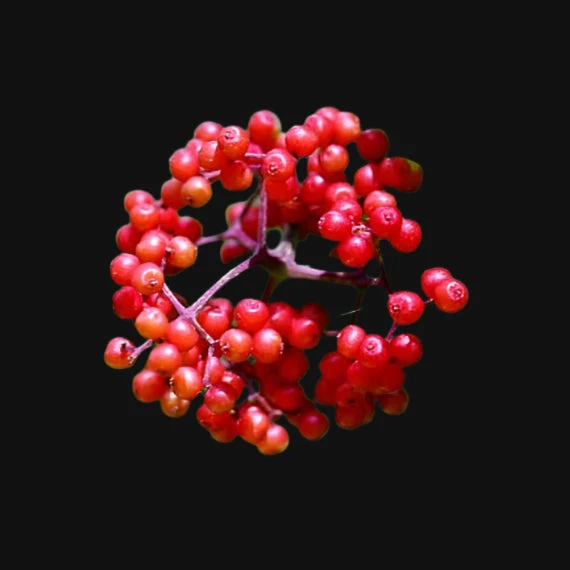
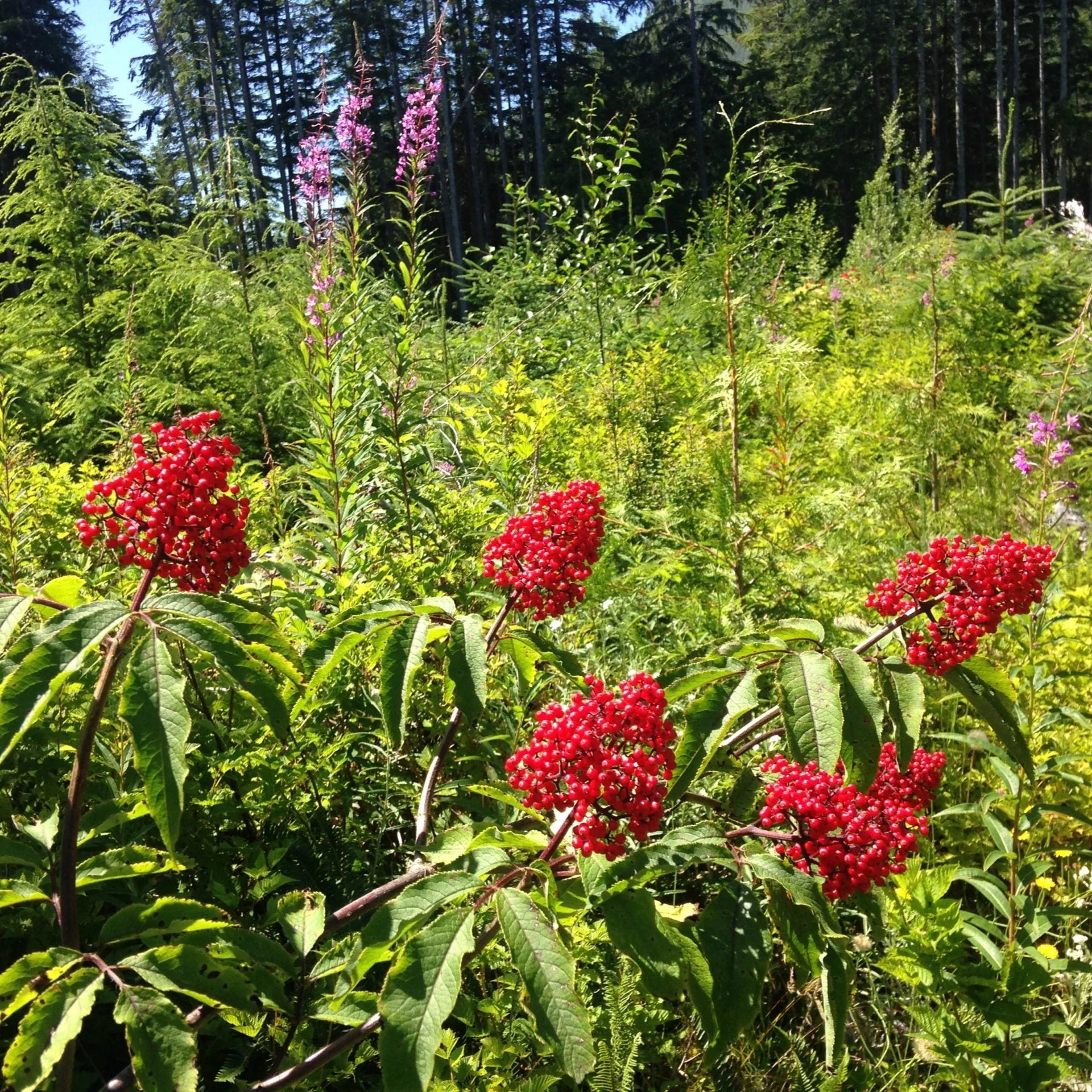
Red Elderberry is a resilient, multi-stemmed native shrub prized for its ornamental beauty, wildlife value, and traditional uses. Its striking red berry clusters develop in early summer and are highly attractive to birds and other wildlife. Though toxic when raw, the berries are safe to eat once cooked and have long been used in traditional preparations by Indigenous communities along the BC coast. This hardy perennial is well-suited to woodland gardens and shady borders, bringing a splash of colour and supporting local ecosystems.
Where Can You Grow Red Elderberry?
Red Elderberry is best grown in Zones 4-9. It thrives in moist or wet soils, tolerates partial to full shade, and will grow in both cultivated and naturalised landscapes. It is especially suited to rain gardens, forest edges, and damp woodland areas.
History and Historical Uses
Native to the Pacific Northwest and beyond, Red Elderberry (also known as Sambucus racemosa) has been used for generations by First Nations for both food and medicine. The berries, once properly prepared by cooking or drying, are used in syrups, jellies, and teas. The shrub also plays an important role in providing early summer forage for pollinators and nesting materials for birds.
Canadian Zone Information
Zones 8-9: Sow seeds outdoors in autumn or stratify and sow in early spring.
Zones 5-7: Cold stratify for 60-90 days before sowing in spring.
Zone 4: Protect young plants in their first winter; mulch well or start in containers for transplanting.

How to Grow and Harvest Red Elderberry
Planting: Sow seeds 6mm (¼in) deep in moist soil or containers after stratification. Space 60-90cm (24-36in) apart.
Watering: Keep soil consistently moist, especially in dry summer periods.
Harvesting: Berries ripen in early summer. Harvest only once fully red and soft; always cook before eating.
Maintenance: Prune older canes in late winter to encourage new growth and shape the shrub.
Seed Saving Tips for Future Supply
Select Ripe Fruit: Wait until berries are fully red and soft.
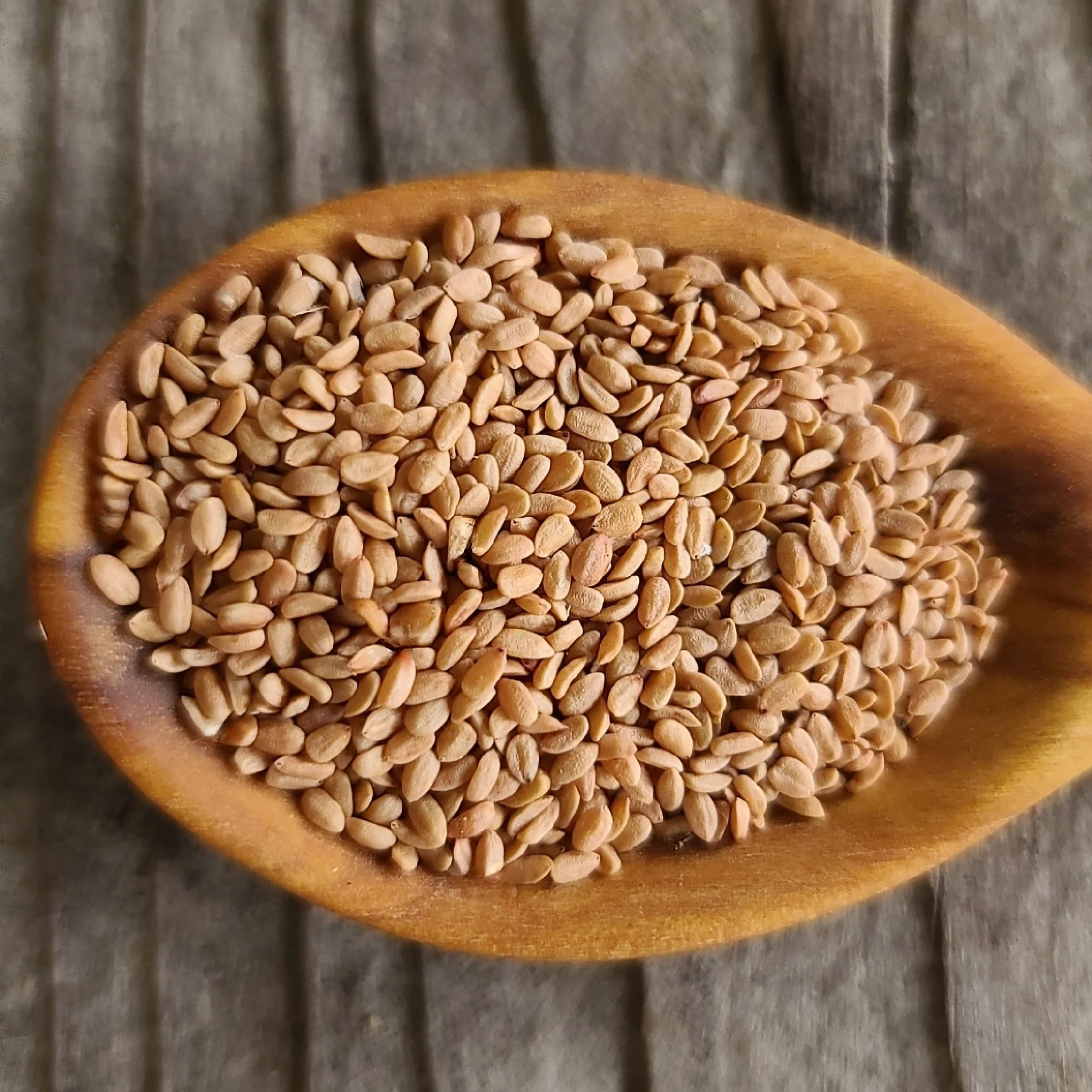
Extract Seeds: Mash and rinse berries, removing pulp and debris.
Dry and Store: Air-dry cleaned seeds and store in a cool, dry place.
Stratify for Germination: Cold-stratify for 60-90 days before sowing the following spring.
Certified Organic By
Islands Organics Producers Association (Cert#1962)
Details & Craftsmanship
Every detail has been carefully considered to bring you the perfect product.
Details & Craftsmanship
Every detail has been carefully considered to bring you the perfect product.
Description
Red Elderberry is a resilient, multi-stemmed native shrub prized for its ornamental beauty, wildlife value, and traditional uses. Its striking red berry clusters develop in early summer and are highly attractive to birds and other wildlife. Though toxic when raw, the berries are safe to eat once cooked and have long been used in traditional preparations by Indigenous communities along the BC coast. This hardy perennial is well-suited to woodland gardens and shady borders, bringing a splash of colour and supporting local ecosystems.
Where Can You Grow Red Elderberry?
Red Elderberry is best grown in Zones 4-9. It thrives in moist or wet soils, tolerates partial to full shade, and will grow in both cultivated and naturalised landscapes. It is especially suited to rain gardens, forest edges, and damp woodland areas.
History and Historical Uses
Native to the Pacific Northwest and beyond, Red Elderberry (also known as Sambucus racemosa) has been used for generations by First Nations for both food and medicine. The berries, once properly prepared by cooking or drying, are used in syrups, jellies, and teas. The shrub also plays an important role in providing early summer forage for pollinators and nesting materials for birds.
Canadian Zone Information
Zones 8-9: Sow seeds outdoors in autumn or stratify and sow in early spring.
Zones 5-7: Cold stratify for 60-90 days before sowing in spring.
Zone 4: Protect young plants in their first winter; mulch well or start in containers for transplanting.
How to Grow and Harvest Red Elderberry
Planting: Sow seeds 6mm (¼in) deep in moist soil or containers after stratification. Space 60-90cm (24-36in) apart.
Watering: Keep soil consistently moist, especially in dry summer periods.
Harvesting: Berries ripen in early summer. Harvest only once fully red and soft; always cook before eating.
Maintenance: Prune older canes in late winter to encourage new growth and shape the shrub.
Seed Saving Tips for Future Supply
Select Ripe Fruit: Wait until berries are fully red and soft.
Extract Seeds: Mash and rinse berries, removing pulp and debris.
Dry and Store: Air-dry cleaned seeds and store in a cool, dry place.
Stratify for Germination: Cold-stratify for 60-90 days before sowing the following spring.
Certified Organic By
Islands Organics Producers Association (Cert#1962)